
Counter-Strike 2: Cache Map and Interface Update Now Live
With the latest update for Counter-Strike 2, Valve has addressed key issues on the Cache map while introducing new camera and HUD scripting options for community map developers.
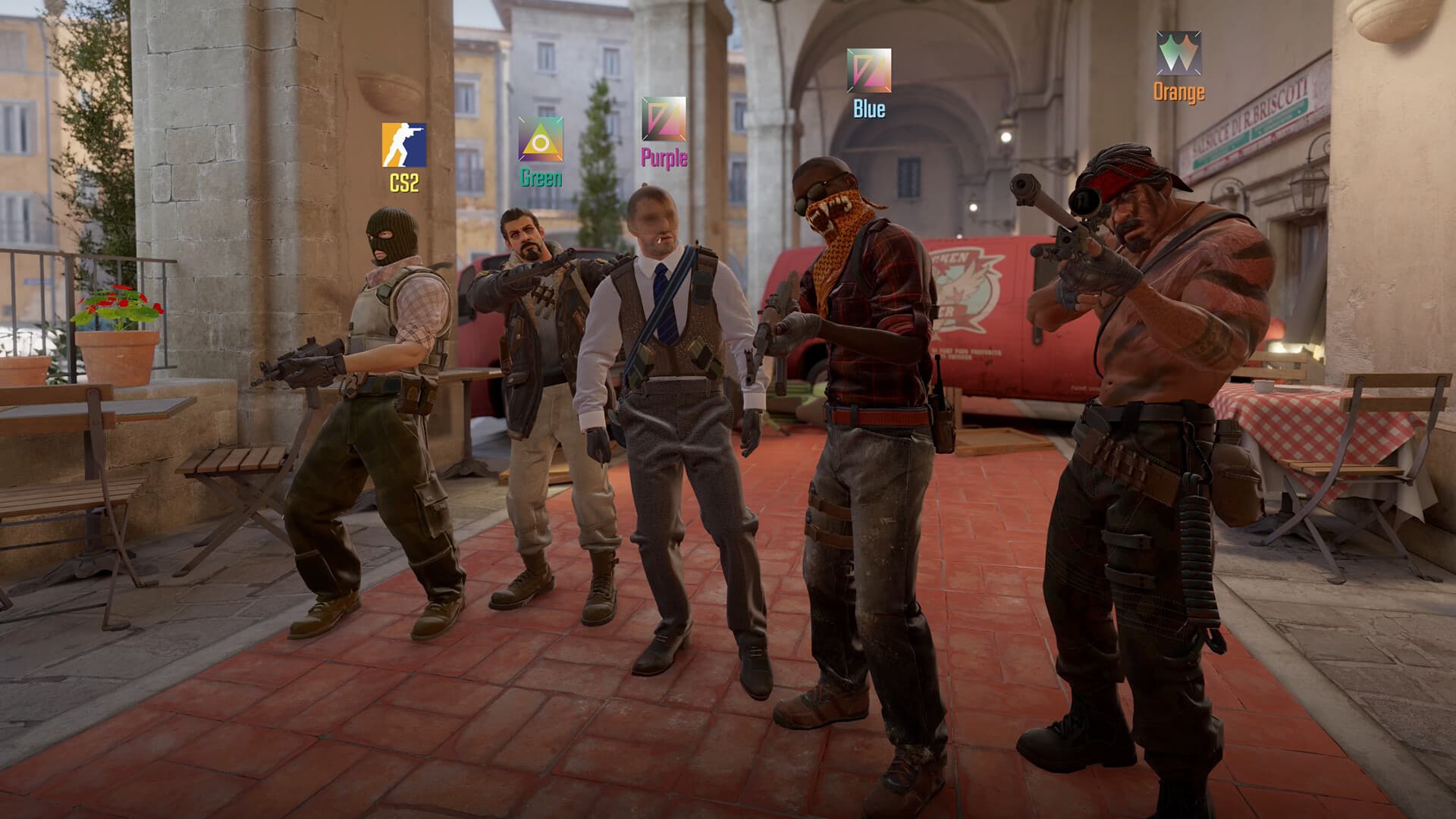
The world of Counter-Strike 2 shows no signs of slowing down. Valve has released a new patch aimed at both improving map balancing and empowering developers. This update focuses heavily on Cache, one of the most beloved community maps, while also bringing significant changes to the game's technical infrastructure.
Critical Adjustments to the Cache Map
The first change that players who closely follow the Cache map will notice is the patching of various map gaps. Specifically, problematic "wallbang" spots in the B site that have been causing frustration have been resolved. Additionally, to enhance the competitive balance of the map, a missing spawn point was added to the CT starting area, and new starting points were introduced for the T side. These tweaks will ensure that the map offers a more stable experience, particularly in amateur yet competitive-minded matches.
New Camera and HUD Tools for Developers
The update is not limited to map adjustments alone. For map developers and mod creators, the "CSPlayerCamera" structure has been completely overhauled and renamed "CustomPlayerCamera". Developers can now manage camera modes with greater flexibility and have more control over player tracking. Furthermore, with new features added to the "custom_hud_layout" section, HUD design and spectator mode visualizations have been made more fluid. The layering of the HUD over the main interface in spectator mode specifically provides a much cleaner workspace for designers.
Chat Privacy in Demo Recordings
Finally, a step has been taken regarding in-game security and privacy. Chat logs in demo files are now encrypted. This system will function according to the same rules as the CS:GO era; team-internal correspondence will not be visible when watching demos. General chat can only be viewed through the "Watch" interface within the game. This move aims to prevent tactical analyses and secret strategies from being easily exploited by opponents through demo recordings.